
Partnering for Resilience: Child Care Support Amid LA’s Flames
When the devastating LA fires displaced families and child care providers, Home Grown and local partners moved quickly to provide emergency cash aid.

When the devastating LA fires displaced families and child care providers, Home Grown and local partners moved quickly to provide emergency cash aid.
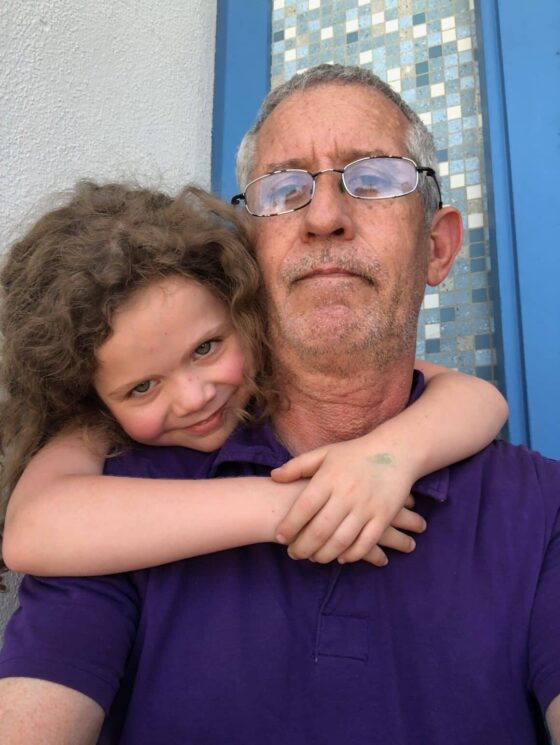
Stephen Cutty, a home-based child care provider in California, is one of a small number of male child care providers. He calls running his business “the greatest experience of [his] life.”
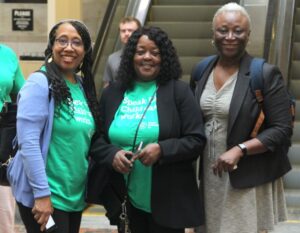
Philadelphia-based FCC provider Adrienne Briggs reflects on the success of the 2025 Family Child Care Awareness Day in Harrisburg, Pennsylvania and shares why it is important for FCC providers to come together and advocate for what they need.
Family child care (FCC) is often a first choice for families who prefer to keep their children in mixed-aged groups together in one setting. Many states, however, do not include FCCs in their mixed-delivery system which eliminates this option for most parents. This blog post examines why states should consider including FCC in mixed-delivery pre-K systems.

Mental health is especially challenging and important during times of great uncertainty. In this blog post, home-based providers and caregivers share their healthy practices toward positive mental wellness.
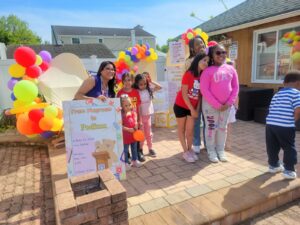
Parents and advocates join with home-based providers on A Day Without Child Care to amplify how important supportive child care policy reform is for the workforce and communities.
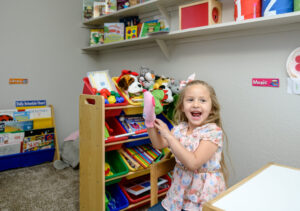
Child care licensing is important to the field and the current licensing systems require changes to better support family child care. This blog explores how listening and partnering with FCC providers could greatly improve licensing systems.

In the first 100 days of the Trump Administration, we saw sweeping changes to many aspects of American policy and many more have been proposed. This blog post lays out key information to support you in making sense of this moment and taking action to protect yourself and your community and to impact the outcome of the proposed actions.
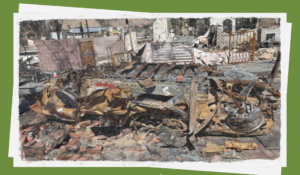
In January 2025, Home-based child care Francisca Gunawardena provider lost everything in the Los Angeles fires. Today, Francisca is still trying to figure out how to move forward.

Early childhood educators, including home-based child care providers, around the nation are exploring ways to bring the natural world to life as a classroom for children. We spoke with three providers who shared how they incorporate nature-based play in their programs.