Half of all families whose children are in non-parental care choose and use family, friend and neighbor (FFN) child care, and yet this is the least supported aspect of the child care and early learning sector. Read Home Grown’s recommendations for supporting and strengthening FFN care, providing critical support for children, families and caregivers.
Venette Pierre has a background in marketing, public relations and community development. She is passionate about advocating for access to quality supports for underserved communities and storytelling through digital communications.
Women’s contributions and experiences are not well represented in the record books, but it is just as rich and worth celebrating. Ours is a tale of community, resilience, and connection to one another, and it is inextricably linked with care work.
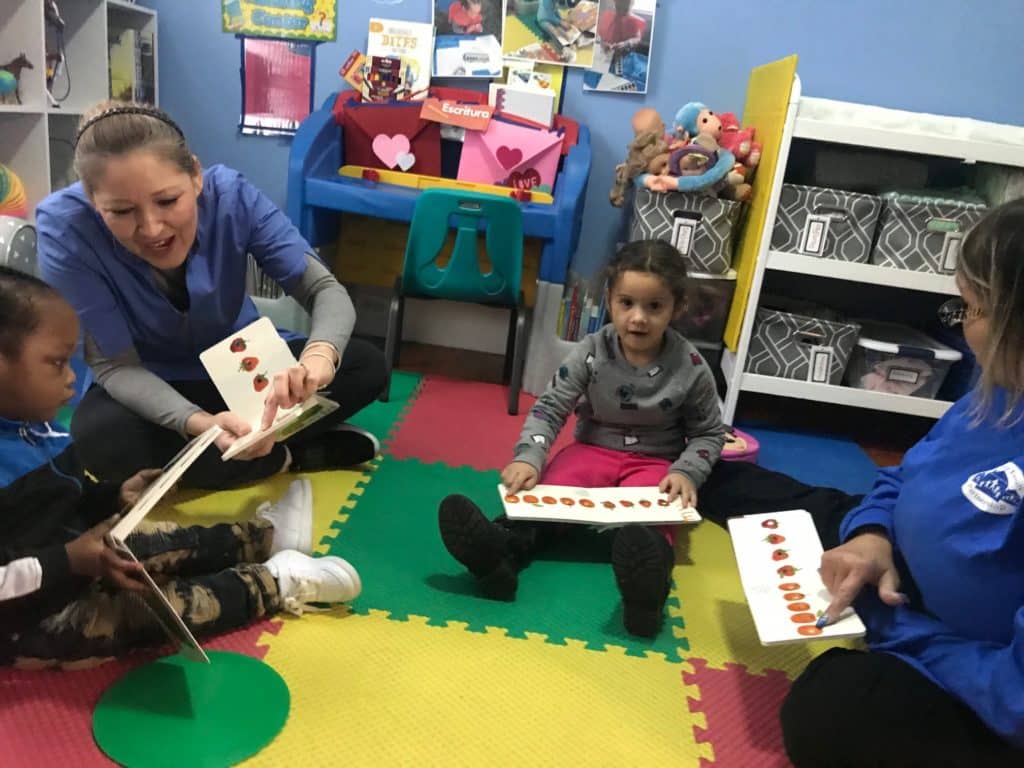
During Women’s History Month, we celebrate the contributions that women have made to every corner of our society and honor their achievements. Among these leaders are the more than 5 million women who form the backbone of home-based child care (HBCC).
For generations, Black home-based child care providers have built systems of care rooted in community, trust, and resilience, often stepping in where formal systems fell short. Of the over 5 million home-based child care providers, including Family Child Care providers and paid and unpaid Family Friend and Neighbor caregivers, roughly a quarter in each subgroup identify as Black Non-Hispanic