
Resources for Building Comprehensive Networks

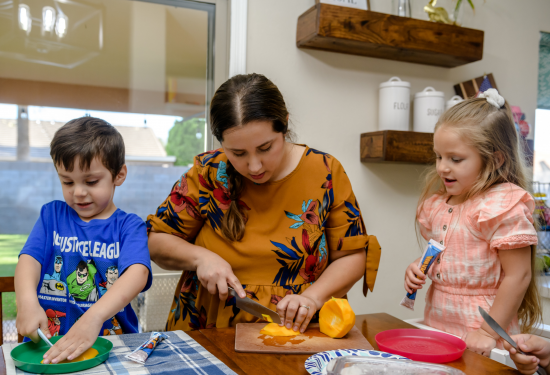
The COVID-19 pandemic illuminated the need for child care as infrastructure. As families juggled work, job loss, and distance learning, all while taking care of children, we’ve seen something grow in America: the reliance on, respect for, and recognition of home-based child care (HBCC). Yet HBCC remains woefully under-resourced.

Now as federal relief dollars begin to flow to the states and additional legislation is on the horizon, our country has the resources to build lasting infrastructure in the form of comprehensive networks to support HBCC providers and the families they serve.

What are comprehensive networks for home-based child care providers?

Comprehensive networks are the connective tissue that joins individual home-based providers to each other and to system infrastructure, including funding and policy.
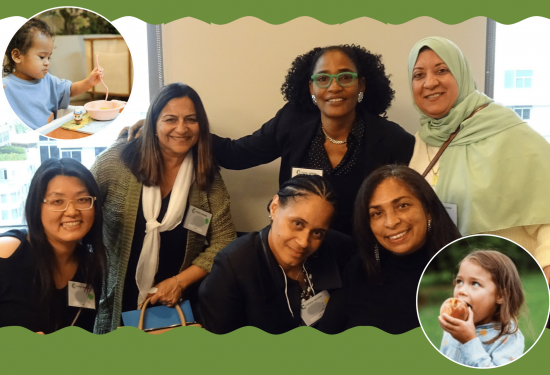
Women’s contributions and experiences are not well represented in the record books, but it is just as rich and worth celebrating. Ours is a tale of community, resilience, and connection to one another, and it is inextricably linked with care work. 
During Women’s History Month, we celebrate the contributions that women have made to every corner of our society and honor their achievements. Among these leaders are the more than 5 million women who form the backbone of home-based child care (HBCC).
For generations, Black home-based child care providers have built systems of care rooted in community, trust, and resilience, often stepping in where formal systems fell short. Of the over 5 million home-based child care providers, including Family Child Care providers and paid and unpaid Family Friend and Neighbor caregivers, roughly a quarter in each subgroup identify as Black Non-Hispanic