
When most people think of Juneteenth, they think of June 19, 1865—the day enslaved African Americans in Galveston, Texas, finally learned they were free. More than two years after the Emancipation Proclamation had been signed, freedom arrived late. Juneteenth has since become a celebration of liberation, resilience, and Black joy.
Yet Juneteenth is also a story about labor.
It is a story about generations of Black people whose work built this nation while their humanity was denied. As we commemorate Juneteenth, the field of early childhood education has an opportunity to reflect on the enduring relationship between Black women’s caregiving labor and the American social economy. Nowhere is this relationship more visible than among home-based child care (HBCC) providers—women whose labor continues a centuries-long tradition of caring for children, sustaining families, and strengthening communities.
Long before child care became a profession, Black women cared for the nation’s children. During slavery, they labored in fields, kitchens, and households while simultaneously nurturing families and communities. Many were forced to care for the children of enslavers while being separated from their own children and kin. Their labor generated wealth for others while their own freedom remained constrained.
Yet even under unimaginable conditions, Black women did more than survive.
They dreamed.
Black women have long imagined futures beyond the realities imposed upon them. They envisioned worlds where Black children could learn freely, where families could flourish, and where Black humanity would be fully recognized. These dreams sustained generations through slavery, Reconstruction, segregation, and ongoing struggles for justice. Freedom dreaming offered not only a critique of present conditions but a vision of what might become possible when those conditions were transformed.
Juneteenth invites us to remember these freedom dreams.
The history of Black women in America is not merely a history of oppression. It is also a history of radical imagination. Black women have consistently dared to envision possibilities beyond what their circumstances prescribed, creating pathways toward collective liberation for future generations.
Following emancipation, Black women continued this work through churches, schools, mutual aid societies, neighborhoods, and homes. Across generations, they built networks of care that sustained children and families despite persistent racial and economic exclusion. These traditions are rooted in what Black feminist scholars describe as a legacy of othermothering or community mothering—the practice of caring for and nurturing children beyond biological kinship ties.
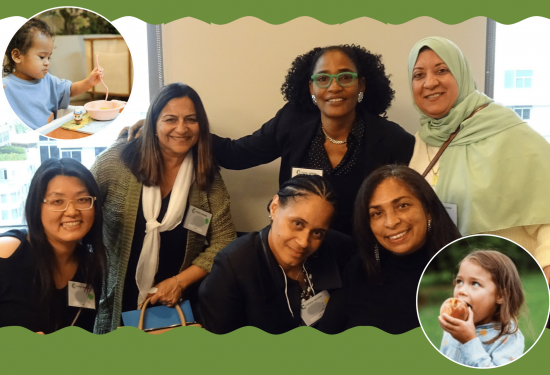
Today, that legacy lives on in the homes of HBCC providers, who continue a long tradition of community mothering and collective care.
Through a commitment to collective responsibility, community mothers understand that their work extends beyond the walls of their programs. They celebrate children’s milestones, support families through crises, share resources, and create spaces where children know they are valued and loved. Their labor is deeply relational, rooted in the understanding that caring for children is also caring for communities.
But community mothers are not only sustaining the present. They are shaping the future.
Like the Black women who came before them, HBCC providers engage in freedom dreaming. Every day, they create environments where children can imagine expansive futures for themselves. They cultivate joy in a world that often denies it. They nurture confidence, curiosity, creativity, and cultural pride. They help children develop the skills and sense of belonging necessary not only to survive, but to thrive.
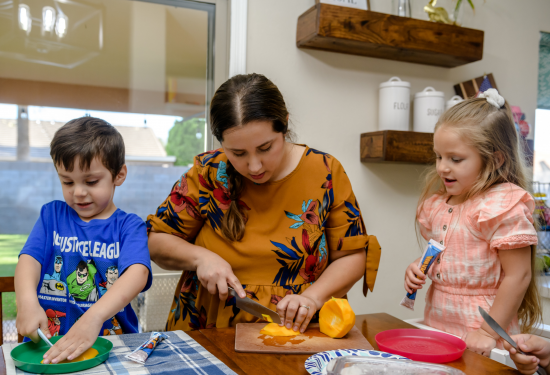
In this sense, child care homes are more than places where children receive supervision while their parents work. They are sites of freedom dreaming.
Within these homes, HBCC providers carry forward the aspirations of generations of Black women who understood that investing in children is one of the most powerful ways to transform the future. They engage in the quiet but revolutionary work of building the world their ancestors imagined—one child, one family, and one community at a time.
Yet despite the essential nature of this work, home-based child care remains chronically undervalued and underfunded. The child care and education sector continues to rely heavily on the labor of women—and disproportionately women of color—whose contributions are often viewed as acts of love rather than skilled professional work.
Juneteenth challenges us to do better.
If freedom is more than the absence of bondage, then it must include dignity, recognition, and economic justice. It requires acknowledging that HBCC providers are essential to our nation’s social and economic infrastructure. As community mothers, they sustain families, strengthen neighborhoods, and cultivate the brilliance of children whose futures matter. Their work reminds us that freedom is not only won through laws and proclamations. It is also built through everyday acts of care, love, and collective responsibility.
Juneteenth reminds us that freedom is not merely something we inherit; it is something we continue to create. Every day, HBCC providers nurture the next generation of dreamers, leaders, caregivers, and changemakers. In the providers’ homes, freedom dreams take shape—in children’s laughter, in families finding support, and in communities imagining more just futures.
If we truly wish to honor the legacy of Juneteenth, we must invest not only in remembering the dreams of our ancestors, but in supporting the HBCC providers who help bring those dreams to life every day. Let us recognize home-based providers as modern-day freedom dreamers who continue to transform ancestral hopes into lived realities. And let us invest in their work—not through performative acts of charity, but as a commitment to their freedom dreams of a more liberatory and just future for all.