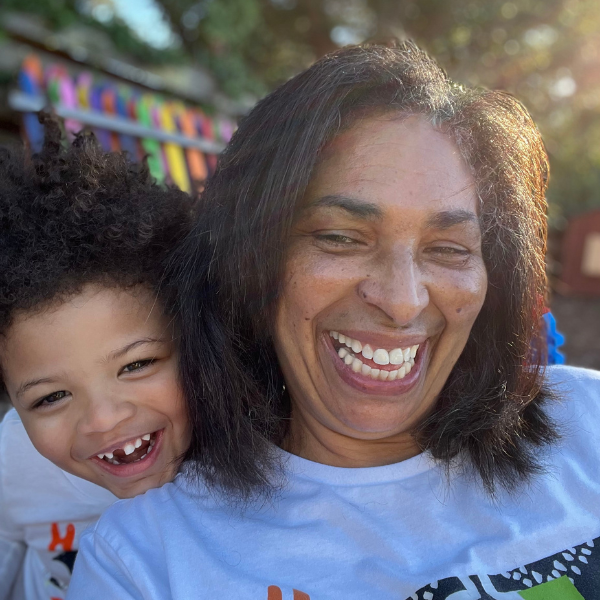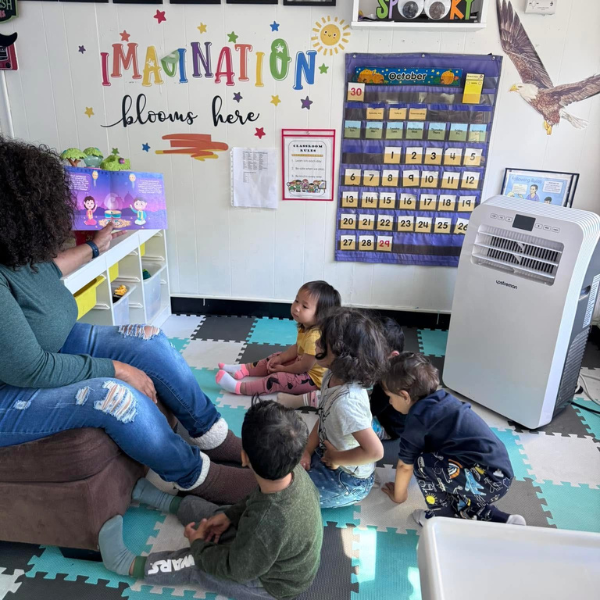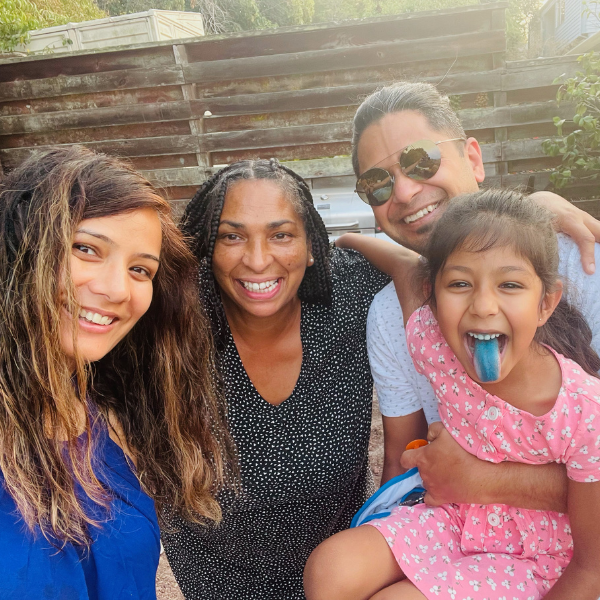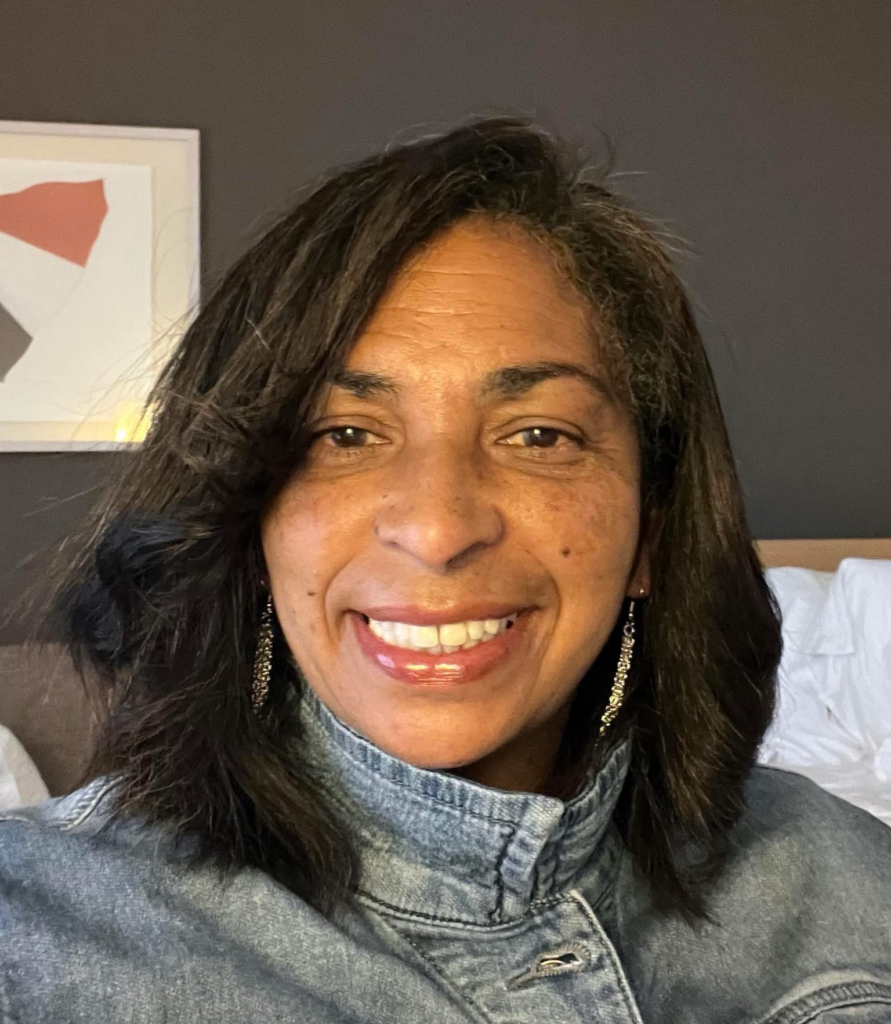
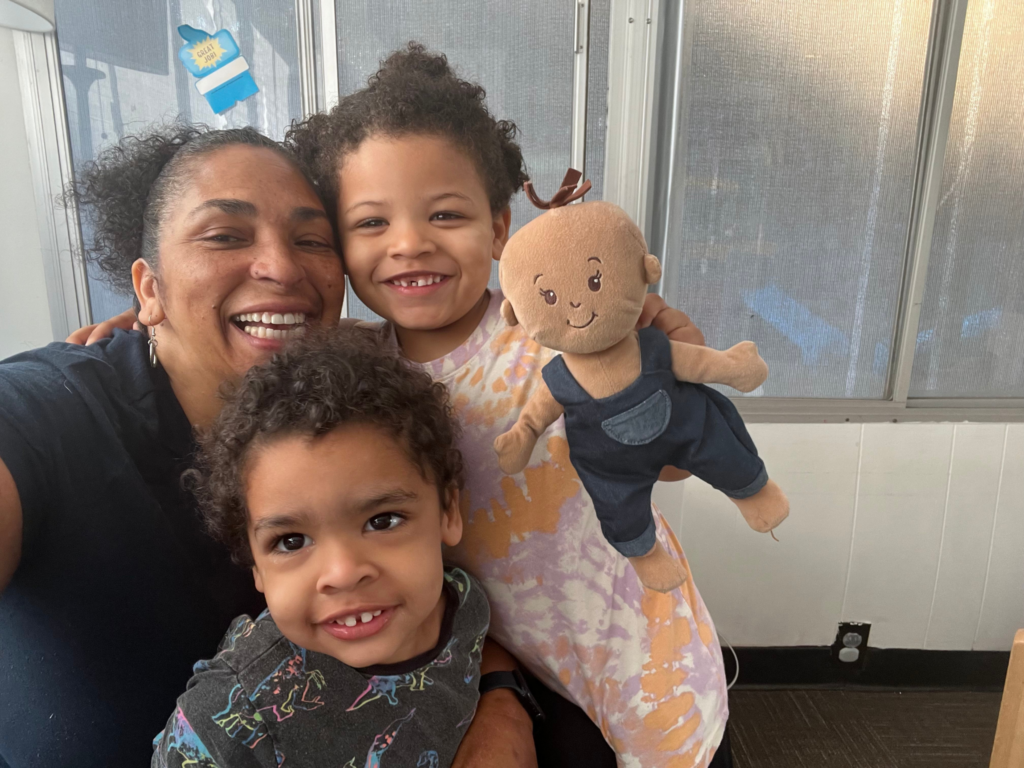
For more than 30 years, San Mateo County has been my home. It’s where I raised my children, built my career, and created a second family through my home-based child care program. It’s where I’ve celebrated birthdays, welcomed new babies, and watched children grow from infants into confident school-aged kids.
But it’s also where I’ve packed up my life four times in twenty years. Where rent has climbed with every move. Where I’ve had to fight for the right to simply live and work in the same place. And where the dream of owning a home feels both essential and impossibly out of reach.
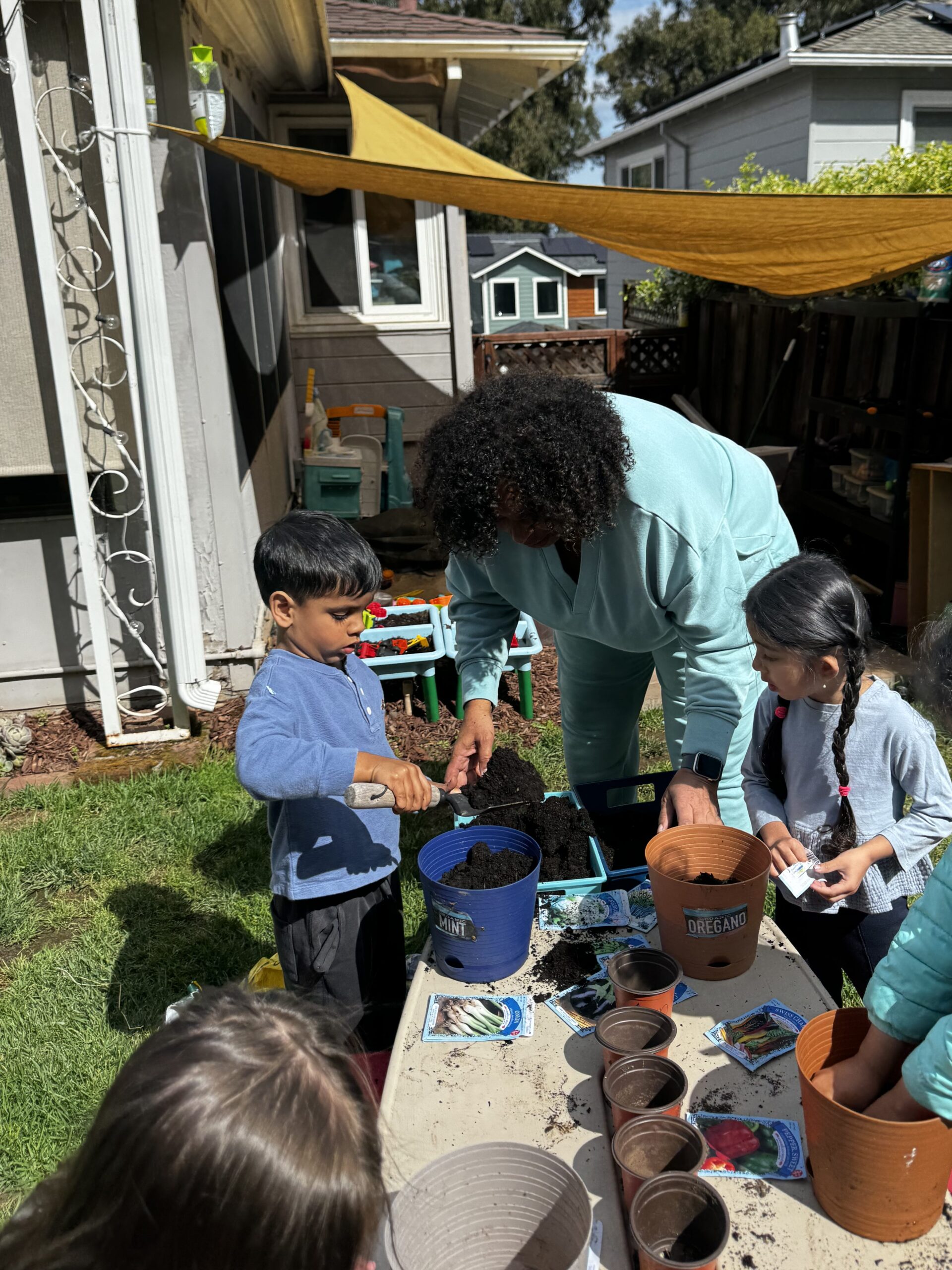
Being a home-based child care provider means my home is more than a place to sleep. It is a classroom, a safe haven, a community hub, and the foundation of my livelihood. Every time I move, I am not just relocating my family, I am relocating an entire early learning environment. I have had to convince landlords to rent to someone licensed to care for up to 14 children, absorb rising rents, rebuild outdoor spaces and classrooms, and reassure families that their children’s care will not be disrupted.
Despite all of this, I have never lost a single family during a move. They have packed boxes with me, written letters to landlords, and helped me rebuild. That is the beauty of home-based care. It is built on trust, reciprocity, and relationships that feel like family.
A Crisis Bigger than a Person
In 2020, everything changed. Gun violence outside my home forced me to shut down my program and move immediately. It was the middle of the pandemic, and the fear was overwhelming, not just for me, but for the families who depended on me. Within days, they rallied around me, helping me find a new place and move in a single weekend.
But the new home came with a new reality: $4,500 a month in rent. And with it, a question that has followed me for years: What happens if I am forced to move again?
I often ask myself whether homeownership is simply out of reach. In San Mateo County, the income needed to buy a median-priced home has climbed to $524,000. Even across the Bay Area, it is $326,000, and statewide it is $223,000. This is consistent with the fact that $2 million doesn’t buy you a median-priced home in this area. These numbers are not just high, they are impossible for someone like me. And that is the heartbreaking reality.
I am not looking for luxury. I am looking for stability. I have no retirement. I used the little I had from a previous job when I became a single parent raising three children under the age of ten, and I never had the chance to rebuild it. What I want is simple: a place where I can age without fear of displacement, a home where I can continue my career without starting over, a community I have spent decades building, and the opportunity to invest in something of my own after years of pouring money into rent.
Homeownership, for me, is not about status. It is about dignity. It is about safety. It is about finally having a foundation that cannot be taken away with 30 days’ notice.
Why I Stayed, Even When It’s Hard
People often tell me to move somewhere more affordable. But more affordable usually means farther away, sometimes two hours or more. It would mean leaving behind everything I have built over the past 20 years: the children I have cared for, the siblings I have watched grow up, the families who trust me like one of their own, and the community that has supported me through every move.
This is not just where I live. This is my home.
And still, the fear remains. What if the rent goes up again? What if my landlord decides to sell? What if I am forced to move for a fifth time?
The housing crisis did not happen overnight, and it will not be solved overnight. But while decisions are being debated and solutions slowly take shape, people like me are living the consequences every day. Providers, parents, young adults, seniors, essential workers, we are the ones being priced out of the communities we serve. Over the past 20 years alone, I have paid nearly $935,440 in rent. That is money that could have gone toward a home, toward stability, toward a future.
Still, I hold on to hope. I am still working toward homeownership. I am still dreaming of a place where I can stay for good, even if that place may not be in California. I am sharing my story because I know I am not alone. There are thousands of home-based child care providers across the country facing the same instability, and thousands of families who depend on us.
Housing is not just about walls and a roof. It is about stability, safety, and the ability to build a life.
And everyone deserves that, including the people who care for our youngest children.