Invisible Child Care With Real Costs: Understanding the Costs Associated With Grandparent-Provided Child Care

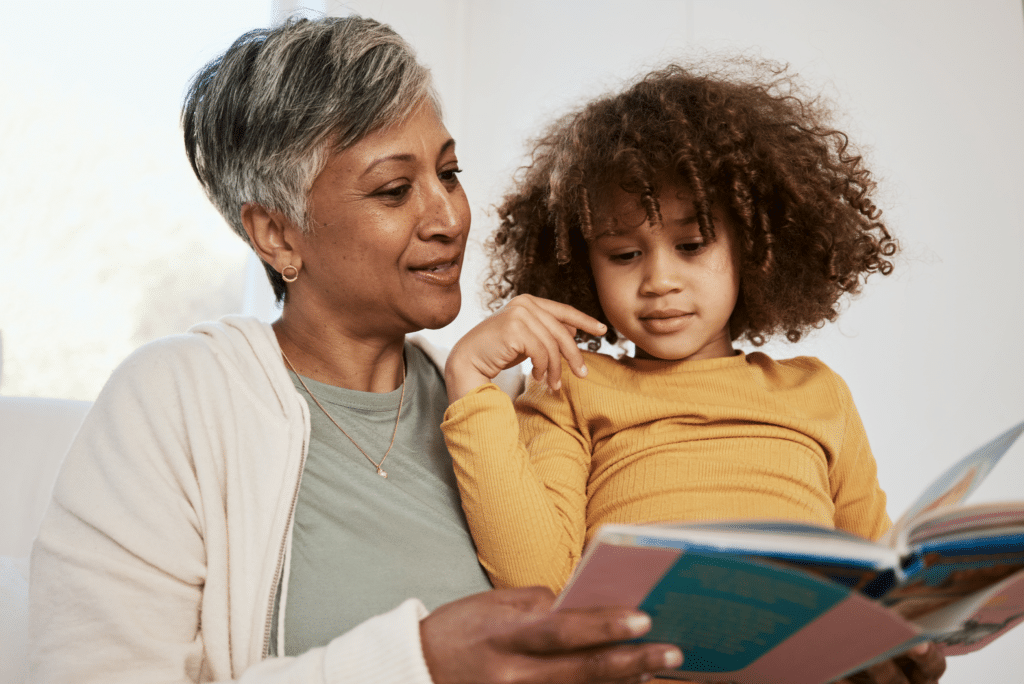
Older woman reading a colorful book to a young girl with curly hair, both sitting closely together.

Across the nation, more than 24% of children under age 5 receive regular care from a grandparent. These grandparents join the ranks of more than 5 million family, friend and neighbor (FFN) caregivers – the grandparents, aunts, family friends, and neighbors who look after 11.5 million children in home-based settings in the U.S. each year. They power what is the most commonly used form of care in the United States.

While these caregivers are deeply motivated to offer care and delight in the time spent with their grandchildren, they have very real direct and opportunity costs for which they receive no compensation. Creating economic stability and supporting the well-being of caregivers should be a priority for our child care system and we hope to see this caregiving option get more attention and resources.
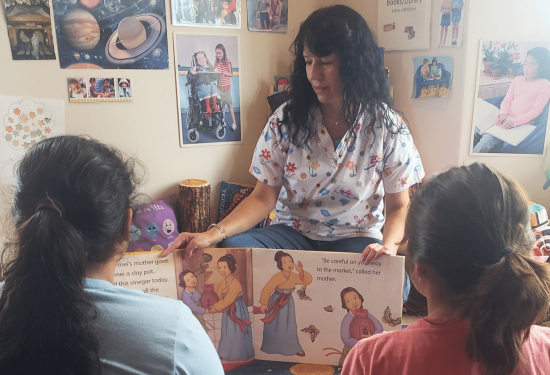
The celebration of Hispanic Heritage Month is particularly important for the early care and education (ECE) field. For over 25 years, Jacqueline Chávez has provided child care to her community as a family child care provider.
La celebración del Mes de la Herencia Hispana es particularmente importante para el sistema del cuidado infantil. Por más de 25 años, Jacqueline Chávez ha brindado cuidado infantil bilingüe a su comunidad como una proveedora de cuidado infantil familiar.
Durante los últimos meses, el equipo de Home Grown ha trabajado con líderes del sector y con nuestras comunidades asesoras para definir un conjunto de principios sobre cómo debería ser un sistema de cuidado infantil universal que integre plenamente el cuidado infantil en entornos domésticos. El resultado es nuestro primer borrador de una visión compartida: Cuidado infantil universal, construido desde el hogar.