In 1968, Hispanic Heritage Month was inaugurated as a national holiday in the U.S., beginning as a week and extended to a month in 1988. From September 15 through October 15, the country honors the cultures and contributions of Hispanic and Latino communities (read more about the nuances around the terms Hispanic and Latino).
The celebration of Hispanic Heritage Month is particularly important for the early care and education (ECE) field. Latino child care providers and educators are almost a quarter (23.5%) of the ECE workforce. They make up a larger portion of home-based child care, with over a quarter of registered providers (27.4%) and unlisted providers (26.1%) identifying as Hispanic.
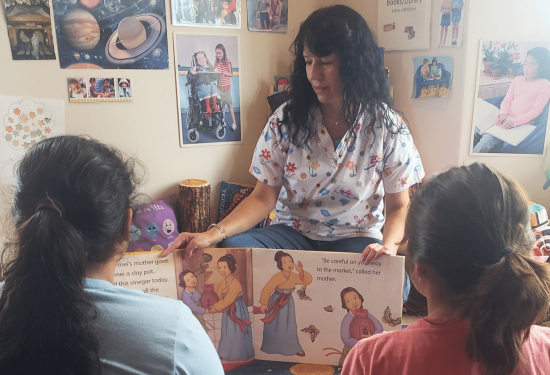
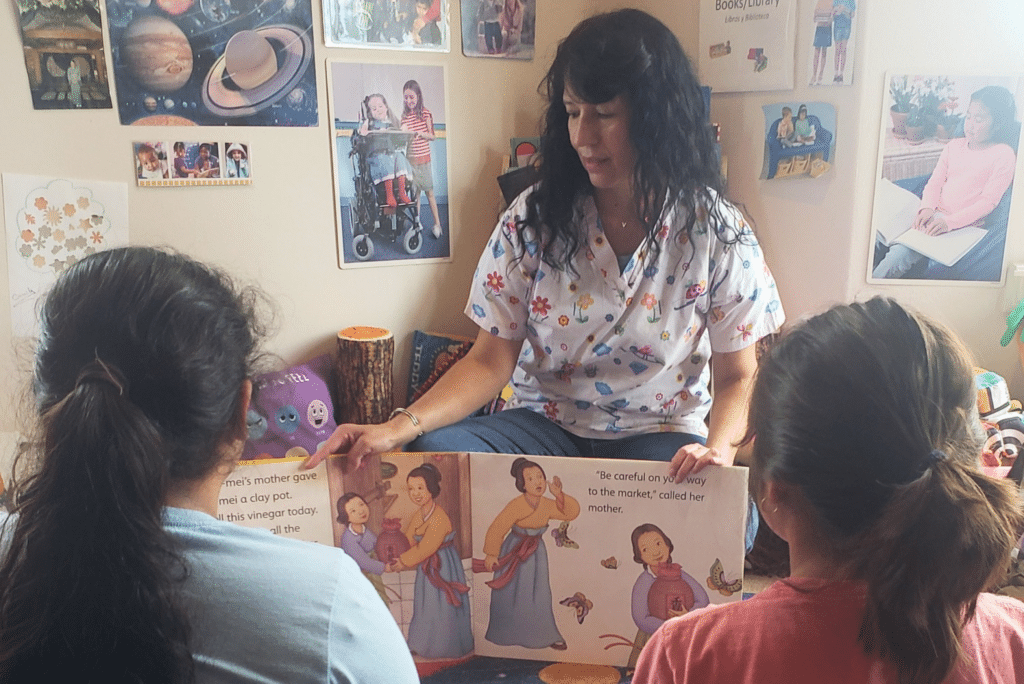
For over 25 years, Jacqueline Chávez has provided child care to her community as a family child care provider. Chávez immigrated to the U.S. from Mexico, and serves an array of families in her local community in Washington state.
“I provide the children with care that is as similar as possible to what they receive at home. I think that if parents didn’t have that, they wouldn’t be able to work, or they would be forced to seek less ideal [care] situations,” said Chávez. “I am also an immigrant, who came to this country in search of a future for my family. This is my way of supporting the community.”
Chávez regularly provides child care to workers in the agricultural sector, where over a quarter of the workforce (28.2%) identifies as Hispanic or Latino. “Parents understand the value of child care, especially when most of them are immigrants who work in the fields and have to follow schedules that vary according to the season and the harvest,” she said. “I’m always ready. I extend my hours as parents need.”
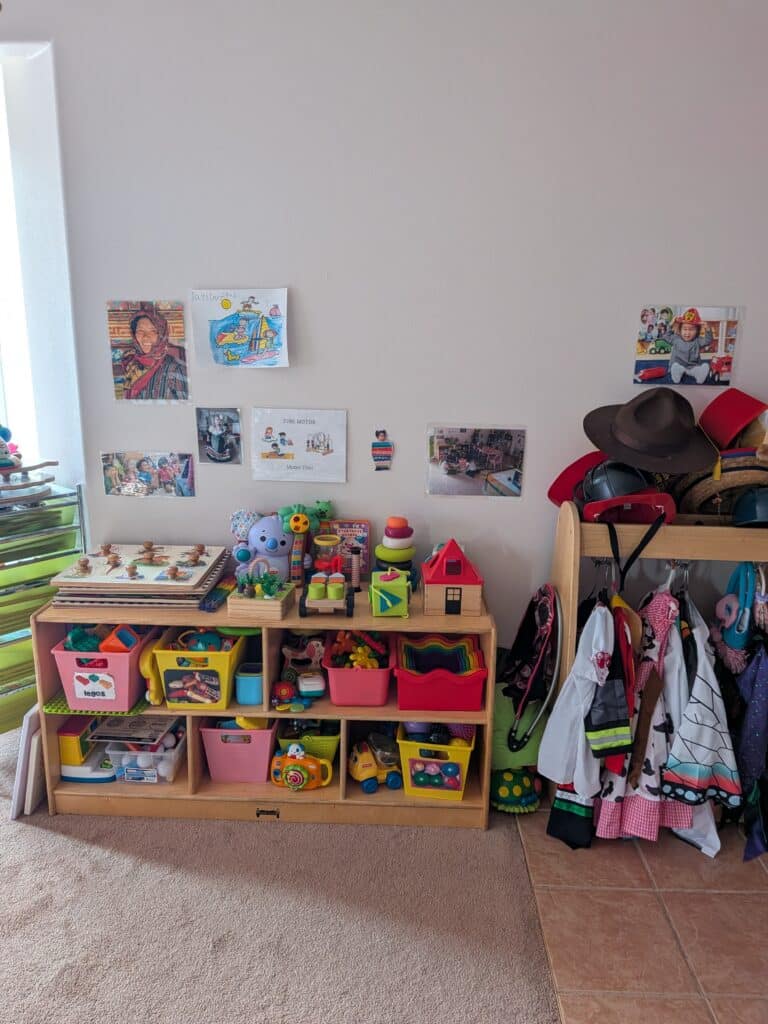
When asked how she honors Hispanic Heritage Month, Chávez said, “I like to always speak with families on what countries they’re from to try to get to know something about them, their roots. If they’re from Guatemala, El Salvador, Colombia, Mexico, then I know what things to fold into my child care [program].”
“My goal is to reflect for every one of the families I work with a bit of their culture. I ask about their cuisine, what their child likes to eat, what is a staple dish during holidays,” said Chávez. “If I’m hosting an event with families … I try to have a diverse menu to thank them and, in some form, show that I respect them and that their culture is important [to me]. And while their children are in my care, I’ll try to have that [cultural] influence and for [the kids] to be exposed to different cultures because that is what diversity is.”
“This has the families feel and say, ‘My child goes to a place where it feels like going to grandma’s house, or their aunt’s house.’”
Chávez primarily speaks in Spanish with the children in her care, with English offered as well. “The parents want me to speak in Spanish [with the children]. One American parent told me to speak to her [child] in Spanish — all in Spanish — because she’s already going to have [exposure to] English because they speak only English [at home]. Her daughter left my care with very strong Spanish.”
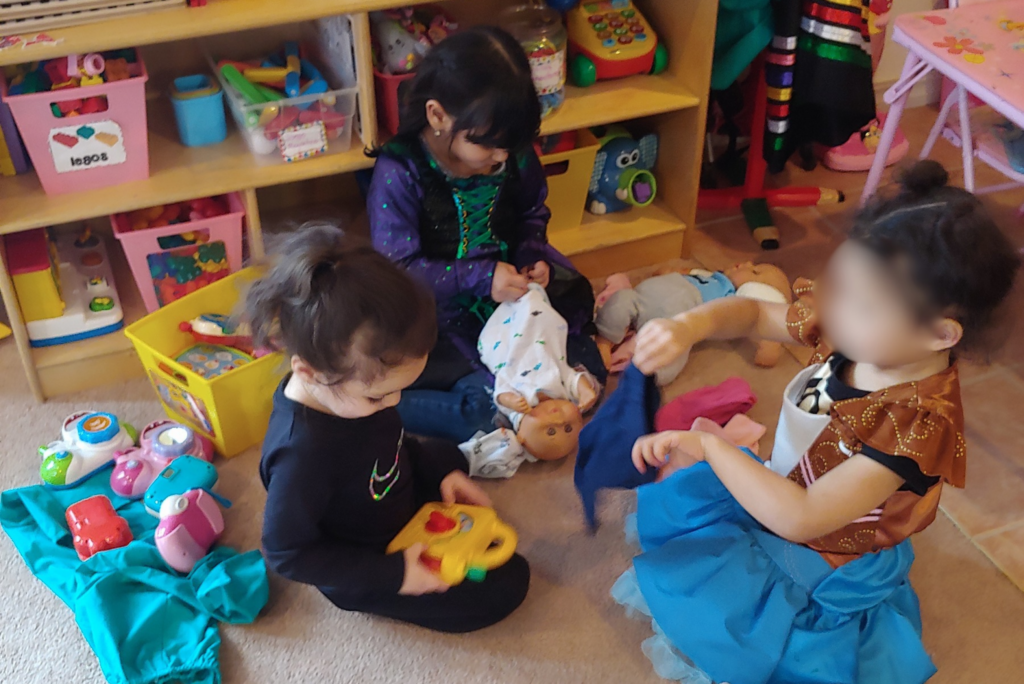
Early care and education programs that offer Spanish help children to connect with Hispanic and Latino cultures, as the majority of countries in the Caribbean and Latin America include Spanish as a primary language. In addition to being a cultural asset and bridge, being bilingual has short- and long- term benefits, including on child development and future professional opportunities.
Chávez is one of almost 1 million Hispanic home-based child care providers in the U.S. As part of Hispanic Heritage Month, Home Grown recognizes and celebrates the significant role and contributions of Hispanic and Latino providers in the early care and education workforce, and we honor the diverse communities they serve.
This blog was written based on interviews with Jacqueline Chávez. All quotes were self-translated from their original Spanish.