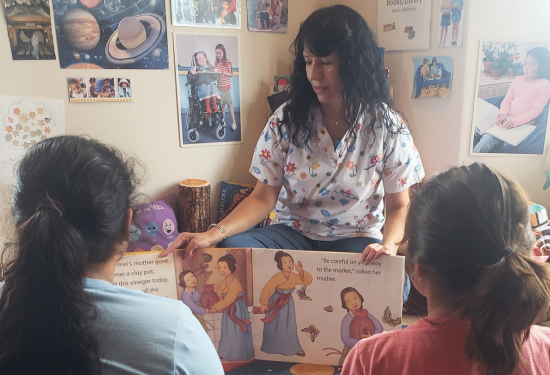
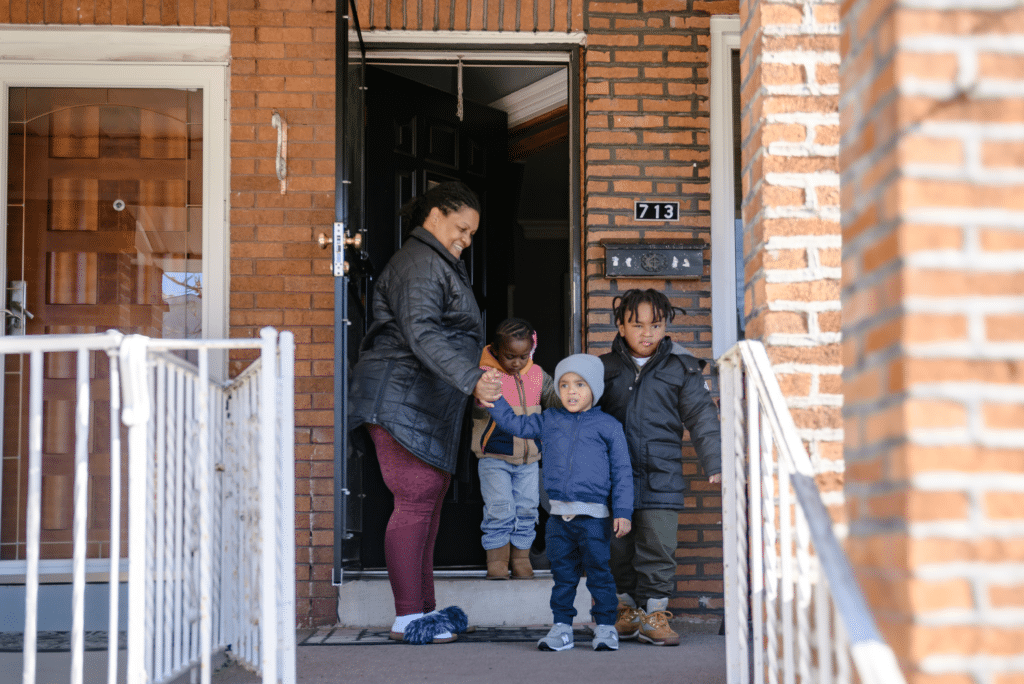
Home-based child care (HBCC) providers are the backbone of many child care communities in the U.S. because home-based child care is the most prevalent form of child care in the country. As implied in the name, homes are essential to this form of child care, and when housing is unstable, this kind of care is imperiled.
Housing is critical to HBCC providers for several reasons:
- it is the learning environment for millions of young children
- it functions as the child care facility and therefore the second-largest business cost after labor
- it is an asset that can enable wealth building and economic security for the workforce.
Yet, HBCC providers often struggle to find and keep housing that lets them run their child care business and care for children in the community. There are many problems in the housing sector that limit supply building and undermine the stability of HBCC, including local zoning and building code challenges, licensing rules that create unworkable standards, and homeowners associations (HOAs) and condo associations that discriminate against HBCC providers and landlords who take advantage of them.
Read the brief to see the bills that several states have introduced and enacted to address these various challenges, with mixed success.