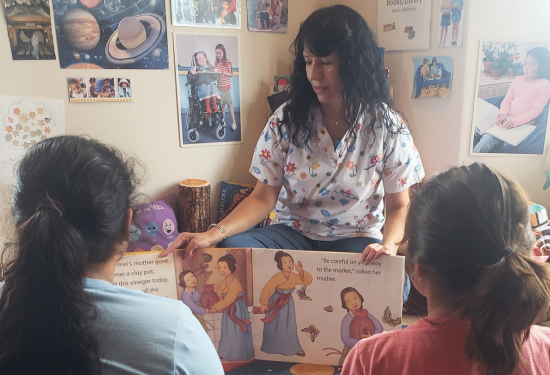
At a time when children and providers are going hungry and federal food aid is shrinking, food costs pose a significant risk to provider sustainability and the wellbeing of children that they serve. The new brief underscores how the current increases in CACFP reimbursement fail to grapple with the broader, structural challenges facing HBCC providers: rising food costs, inadequate reimbursement rates, burdened policy systems, and shifting eligibility criteria. All of which leave puts provider sustainability at risk and impacts child wellbeing.

Brief: Revised CACFP Rates Don’t Make a Dent
As we commemorate Juneteenth, the field of early childhood education has an opportunity to reflect on the enduring relationship between Black women’s caregiving labor and the American social economy.
Al conmemorar Juneteenth, el sector de la educación infantil temprana tiene la oportunidad de reflexionar sobre la relación perdurable entre la labor de cuidado realizada por mujeres negras y la economía social estadounidense.
After a YouTuber posted a video claiming that Minnesota child care centers receiving public funding were not providing services to children, the federal government froze child care funding for five majority-Democratic states.