
Home-Based Child Care (HBCC) Emergency Fund for Severe Weather & National Disaster Response
About the Fund
Home-based child care providers are the backbone of their community in good times and bad. During a crisis, they are often an afterthought or excluded entirely in emergency response and aid. We know that philanthropy can act quickly to address that gap and work to encourage public response to focus on home-based providers. The Home-Based Child Care Emergency Fund for Severe Weather & National Disaster Response seeks to address immediate needs among home-based child care providers impacted by national disasters and severe weather events. With input from existing grantees and partners on the ground, we designed an emergency fund to respond to providers’ needs as they recover from the effects of severe weather events and national disasters and to support their emergency preparedness.
In addition to disaster response, we also work with government and social sector partners to address other urgent financial emergencies—such as interruptions in key benefit programs—that put caregivers’ and providers’ livelihoods and continuity of care at risk.
The HBCC Emergency Fund for Severe Weather & National Disaster Response seeks to:
- Get immediate cash assistance to home-based child care providers and caregivers impacted by national disasters and severe weather events.
- Meet immediate health, safety and personal needs for child care providers.
- Complement, not duplicate or confuse, existing relief efforts.
- Ensure funds support personal expenses and damage to homes and contents of homes (that will not be paid for by other reimbursements or insurance).
- Lift learning and insight to support short- and long-term policy efforts.

How It Works
The HBCC Emergency Fund for Severe Weather & National Disaster Response seeks to get cash aid to diverse home-based child care providers who are impacted by severe weather and national disaster events. The Fund has been designed with input from local providers and partners to:
Get funding to providers and caregivers quickly through a fast and easy application process.
Connect providers to the Fund via trusted partners that they are already in relationship with.
Where We Are Currently Working

Supporting providers in Los Angeles county affected by wildfires
New read via the 74 million: Months After Los Angeles Wildfires, Child Care Providers Are Still in Crisis
States Where We Have Previously Worked

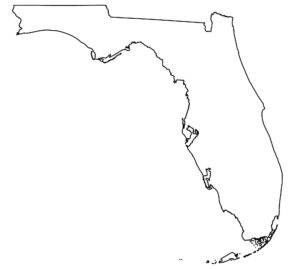
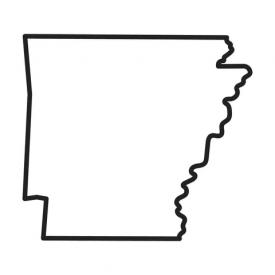

Supporting providers in Philadelphia affected by CACFP sponsorships closing in 2025
States Where We Have Previously Worked
Contact us for more information or partnership opportunities
Send us an email at emergencyfund@homegrownchildcare.org or click the button below
Resources for Severe Weather and National Disaster Preparedness, Response, and Recovery
- Home Grown Reports and Blog Posts:
- Provider Preparedness Tool: Strengthening Child Care Homes and Spaces for Emergencies
- The Home Grown Emergency Fund for Severe Weather and National Disasters
- Where the Climate Crisis Meets Child Care: HBCC Provider Experiences Amid Natural Disasters By: Emily Franchett
- Up in Flames: It’s a Long, Hard Road to Recovery for Altadena Family Child Care Providers by Anne Vilen
- Partnering for Resilience: Child Care Support Amid LA’s Flames by Ashley Alvarez
- Los Angeles County Wildfire Resources and Recovery Aid:
- Hilton: L.A. Wildfires – Ways to Help
- Save the Children:
- Psychosocial Support and Education in Emergencies
- How To Help Caregivers Cope With Stressors
- One pager on Individual vs. Public Assistance through FEMA
- 10 tips for helping children cope with disasters, (English)
- 10 tips for helping children cope with disasters, (Spanish)
- Other Resources:
- EdNC’s Hurricane Helene Playbook: Lessons learned in early childhood
- The Partnership for Inclusive Disaster Strategies
- Operates the Disability and Disaster Hotline that provides information, referrals, guidance, technical assistance and resources to people with disabilities, families, allies and organizations assisting disabled disaster survivors and others seeking assistance with immediate and urgent disaster-related needs
- The National Low Income Housing Coalition:
- Publishes an annual Advocate's Guide with information about programs and policies related to affordable housing in the United States. Chapter 10 on Disaster Housing Recovery, Research, and Resilience (pages 585 - 614) discusses disaster preparedness, recovery and resilience
- Offers a basic disaster fact sheet that contains disaster-related information and links from FEMA, U.S. Department of Housing and Urban Development (HUD), Small Business Administration (SBA), U.S. Department of Agriculture, Rural Development (USDA), Government Sponsored Enterprises (GSEs) and Internal Revenue Service (IRS)