
Home Grown Study
To better support the essential work of Family, Friend, and Neighbor (FFN) caregivers, a recent study by Home Grown, commissioned by the State of Colorado, explored the feasibility of creating a new pathway to extend access to the Child and Adult Care Food Program (CACFP). This federal food program provides crucial financial reimbursements to caregivers who serve nutritious meals to children. The study identified a new pathway that could greatly simplify access to CACFP for Colorado’s FFN caregivers.
The Unique Role of FFN Caregivers
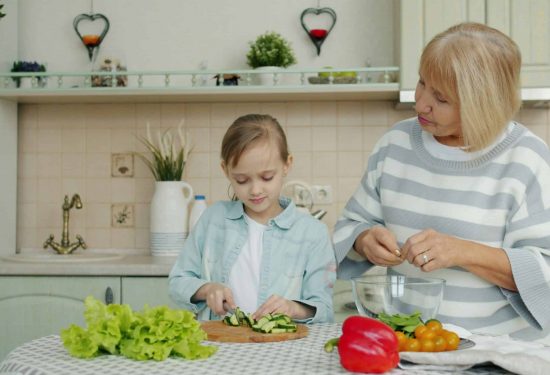
FFN caregivers, often grandmothers, aunties, or neighbors, play a crucial role in providing child care for over half of Colorado’s children under five. Approximately 60% of Colorado children are having their early childhood experiences in FFN care. Despite their significant contributions, many FFN caregivers face barriers to participating in programs like CACFP, which could lighten their financial burden.
Current Pathway to Access CACFP
The current alternative approval pathway requires FFN caregivers (legally license-exempt) to participate in the Colorado Child Care Assistance Program (CCCAP) in order to be eligible to participate in CACFP. Navigating this complex and time-consuming process can be challenging. In addition, federal child care funding shortfalls and rules have forced many counties to shut the door to new providers.
The study was mandated by the Colorado General Assembly to determine the feasibility of a new separate pathway. The Colorado Department of Early Childhood, in consultation with Colorado Department of Public Health and Environment (CACFP agency), commissioned Home Grown to conduct the study.
Creating a New Pathway
Through a rigorous research process, centering stakeholder engagement, the study identified a feasible new pathway. By leveraging Colorado’s Professional Development Information System: Family, Friend, and Neighbor registration (Colorado PDIS-FFN), as a registry framework, this pathway would offer a more direct route for FFN caregivers to access vital food assistance. The pathway is similar to California’s successful Trustline system. The new pathway would also connect to the new Colorado Care Worker Tax Credit.
How the Process Works
Caregivers would register through the Professional Development Information System: Family, Friend and Neighbor Registration (Colorado PDIS-FFN), undertake necessary background checks, and complete a health and safety self-certification. This streamlined registration process respects caregiver time and resources while maintaining the program’s integrity and compliance with legal standards.
Broad Engagement and Tailored Support
To ensure the pathway’s success, the study report outlines an implementation strategy emphasizing collaboration and community engagement. Critical to this strategy are partnerships across state agencies, local organizations, and trusted intermediaries that help FFN caregivers navigate the enrollment process effectively. This collaborative effort capitalizes on local expertise, reflects the diversity of language and cultures, and ensures that FFN caregivers are supported at every step.
Conclusion
The study identified the Colorado PDIS-FFN pathway as a feasible new pathway to increase CACFP access for FFN care. Through a rigorous research process, centering stakeholder engagement, the study offers a pragmatic, scalable solution to a longstanding barrier in child care nutrition support. The new pathway is consistent with the study’s legislative mandate and with stakeholder recommendations for a streamlined, low-burden process balanced with adequate oversight.
To learn more about “A Study to Determine the Feasibility of Establishing an Alternative Child and Adult Care Food Program Eligibility Process for Family, Friend and Neighbor Caregivers in Colorado” please see the executive summary and full report.