
Using the HBCC Network Benchmarks: Three Use Cases and Tips Sheet

In 2022, the Home-Based Child Care Research Initiative at Erikson Institute and Home Grown developed the Home-Based Child Care Network (HBCCN) Benchmarks, an evidence-based framework for high-quality home-based child care networks. The framework consists of 11 benchmarks with related indicators that help HBCCNs assess and enhance the ways they support home-based child care providers.

To understand how organizations have applied the benchmarks and indicators, and to create practical resources for those interested in using them, the Home-Based Child Care Research Initiative at Erikson Institute, in partnership with Home Grown, developed three case studies. They explore how different organization types use the Benchmarks.

In addition to these case studies, the Home-Based Child Care Research Initiative at Erikson Institute developed a tip sheet for funders and networks on using the HBCCN benchmarks that draws on the use cases report.
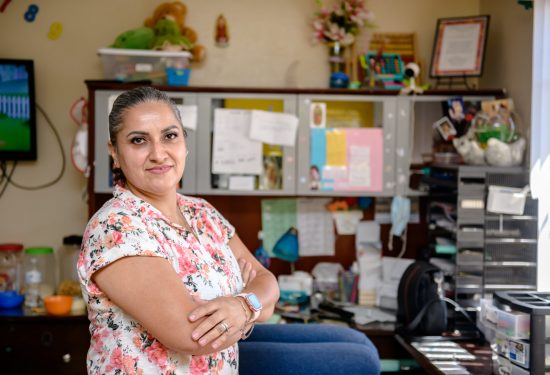

During Women’s History Month, we celebrate the contributions that women have made to every corner of our society and honor their achievements. Among these leaders are the more than 5 million women who form the backbone of home-based child care (HBCC).
For generations, Black home-based child care providers have built systems of care rooted in community, trust, and resilience, often stepping in where formal systems fell short. Of the over 5 million home-based child care providers, including Family Child Care providers and paid and unpaid Family Friend and Neighbor caregivers, roughly a quarter in each subgroup identify as Black Non-Hispanic
This month, to honor the labor, wisdom, and courage of Black caregivers, we spoke with Wanda Chandler-Tillman and Octavia Mclaurin, home-based providers in Charlotte, North Carolina and Las Vegas, Nevada, who are standing strong for children, families, and child care providers in the face of unprecedented challenges.