
Provider Preparedness Tool: Strengthening Child Care Homes and Spaces for Emergencies

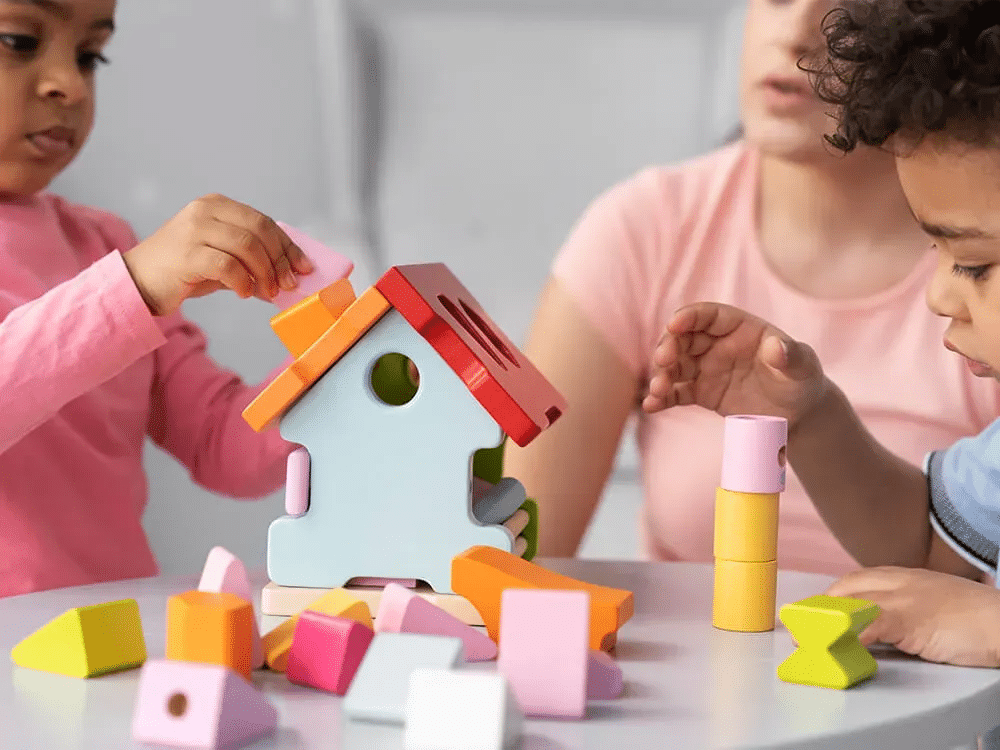
Two children play with colorful shape blocks and a shape-sorting house at a table, with an adult nearby.

In recent years, severe weather and natural disasters in the U.S. have become more frequent. Floods, hurricanes (including both wind damage and flooding), wildfire, ice storms, and extreme heat pose growing risks to communities, especially those already facing economic or housing instability.

Home Grown and LISC created this preparedness tool for HBCC and small scale center-based provider preparedness: taking proactive steps before a disaster to reduce harm and impact from severe weather and natural disasters. Recovery begins after the immediate danger has passed and focuses on rebuilding, reconnecting, and regaining stability. Both preparedness and recovery are essential to building resilience, especially for HBCC providers who serve as a vital link in the support system for communities.
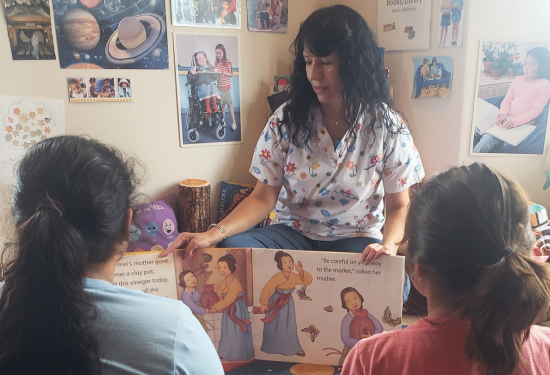
Women’s contributions and experiences are not well represented in the record books, but it is just as rich and worth celebrating. Ours is a tale of community, resilience, and connection to one another, and it is inextricably linked with care work. 
During Women’s History Month, we celebrate the contributions that women have made to every corner of our society and honor their achievements. Among these leaders are the more than 5 million women who form the backbone of home-based child care (HBCC).
For generations, Black home-based child care providers have built systems of care rooted in community, trust, and resilience, often stepping in where formal systems fell short. Of the over 5 million home-based child care providers, including Family Child Care providers and paid and unpaid Family Friend and Neighbor caregivers, roughly a quarter in each subgroup identify as Black Non-Hispanic